
Investing in Istanbul Real Estate: A Guide for Foreign Investors
Why foreign investors choose Istanbul, the main investment strategies, how to choose a location and what to check before you invest.
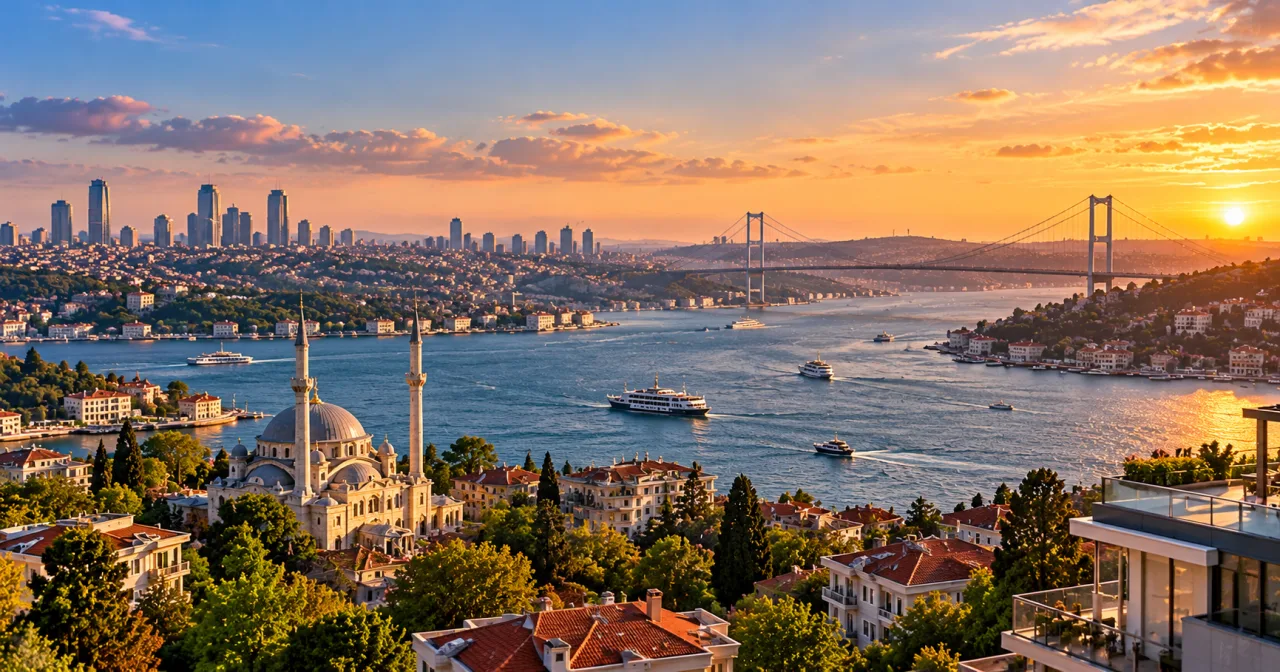
Istanbul is the city most international buyers think of first when they consider property in Turkey. It is the country's largest economy, its main business and financial centre and a global meeting point between Europe and Asia. For foreign investors, it offers a wide choice of homes, a deep rental market and a direct route to Turkish citizenship through property investment.
But investing in Istanbul real estate is very different from simply buying a home. The city is enormous, districts vary widely, and the right choice depends on your goal. This guide explains why investors choose Istanbul, the main investment strategies, how to choose a location and what to check before you commit.
Why Invest in Istanbul Real Estate?
A large and diverse economy
Istanbul is home to a large share of Turkey's companies, banks, universities and hospitals. This concentration of jobs and services creates steady demand for housing from local families, professionals, students and international residents.
A city that keeps growing
New metro lines, highways, bridges and Istanbul Airport have reshaped the city over recent years. Districts that gain better transport links often see stronger demand from both buyers and tenants, which is why infrastructure is one of the first things experienced investors look at.
Choice for every budget and goal
From compact apartments near metro stations to sea-view villas and branded residences, Istanbul offers a range of property types that few cities can match. Investors can choose between ready-to-move homes, off-plan projects, resale apartments and commercial units.
A route to Turkish citizenship
Many foreign buyers invest in Istanbul because qualifying property purchases can lead to Turkish citizenship by investment for the investor and their family.
Main Investment Strategies in Istanbul
1. Rental income
Investors who want regular income usually focus on well-connected areas with strong tenant demand: close to business districts, universities, hospitals or metro stations. Long-term rentals offer more stable income, while short-term rentals require a permit and active management. Read our guide to short-term rental rules in Turkey before choosing this route.
2. Long-term capital growth
Some investors buy in developing districts where transport projects, urban renewal or new commercial centres are expected to increase demand over time. This strategy needs patience and careful research into the area's planning and infrastructure.
3. Citizenship investment
For citizenship buyers, eligibility comes first. The property must meet the programme requirements, pass an independent valuation and be held for the required period. The best citizenship properties are also good investments in their own right, with resale and rental demand after the holding period. See our guide on choosing a citizenship property that holds its value.
4. A home and an investment
Many families buy a property they will use themselves for part of the year and rent out the rest of the time. In this case, lifestyle factors such as schools, sea views and social facilities matter as much as rental demand.
5. Commercial property
Offices, shops and units in mixed-use projects can suit investors looking for business tenants. They require different checks from residential property. Our guide to commercial property for sale in Turkey covers the essentials.
Choosing the Right Location
Location is the single most important decision when investing in Istanbul. The city is divided into the European side and the Asian side, and each district has its own character, price level and tenant profile.
- Central business districts such as Şişli, Beşiktaş and Levent attract professionals and companies, with strong demand for rental apartments.
- Established residential areas on the Asian side, such as Kadıköy and Üsküdar, are popular with families and long-term tenants.
- Growing western districts such as Başakşehir, Bahçeşehir, Beylikdüzü and Küçükçekmece offer newer projects with social facilities and larger homes.
- Coastal and suburban areas such as Silivri and Büyükçekmece offer villas and holiday-style living.
For a detailed comparison, read European side vs Asian side of Istanbul and our guide to the best areas to buy property in Istanbul for investment. You can also browse current listings by district on our Istanbul property page.
What Makes a Good Investment Property in Istanbul?
- Transport access: walking distance to a metro, Marmaray or main road connection
- Legal clarity: a clean title deed and an occupancy permit (iskan)
- Building quality: modern construction standards and earthquake-resistant design
- Developer track record: completed projects delivered on time
- Practical layout: apartment sizes and room types that tenants and future buyers want
- Reasonable running costs: maintenance fees that match the facilities provided
- Resale potential: a property other buyers will want when you decide to sell
Our guides on how to compare Istanbul property projects and how to evaluate a property developer explain these checks in more detail.
Risks to Consider
Every investment carries risks, and Istanbul is no exception. The most important to consider are:
- Currency movements, which affect returns for investors who measure value in foreign currency
- Overpaying for a property compared with similar sales in the area
- Legal or planning issues with the title deed, permits or the project
- Construction risk in off-plan projects if the developer is not reliable
- Building safety, especially in older buildings
- Vacancy periods if the property is hard to rent
Careful property due diligence and independent advice reduce most of these risks.
How the Buying Process Works
- Define your goal, budget and preferred areas
- Shortlist properties and compare them on location, quality and price
- Complete legal and technical checks
- Obtain a Turkish tax number and arrange your bank transfer
- Sign the sales contract and complete the valuation report
- Transfer the title deed at the land registry
- Set up utilities, insurance and, if needed, property management
For a full list of purchase costs, see our guide to the total cost of buying property in Turkey. If you cannot travel, most steps can be completed with a power of attorney.
Frequently Asked Questions
Can foreigners invest in Istanbul real estate?
Yes. Citizens of most countries can buy residential and commercial property in Istanbul, subject to Turkish regulations and certain location-based restrictions. See can foreigners buy property in Turkey?
Is it better to buy on the European or Asian side?
Both sides offer strong options. The European side has more business districts and new projects, while the Asian side is known for established residential neighbourhoods. The right choice depends on your goal and budget.
Should I buy off-plan or ready property?
Ready property lets you see exactly what you are buying and start renting sooner. Off-plan property can offer more choice and flexible payment plans but carries construction risk. Read our comparison of new build vs resale property.
Can I manage an Istanbul property from abroad?
Yes. A property management service can handle tenants, rent collection, bills and maintenance on your behalf.
Can investing in Istanbul lead to citizenship?
Qualifying property investments can make you and your family eligible for Turkish citizenship. See our complete guide to Turkish citizenship by real estate investment.
Invest in Istanbul with Bigist Invest
Bigist Invest is an Istanbul-based real estate investment consultancy with more than eight years of experience helping international buyers. We help you define your investment goal, shortlist suitable properties, complete legal checks and manage the property after purchase.
Browse our investment properties in Turkey or contact our team for a personalised Istanbul investment plan.
This article is for general information only and is not investment advice. Property markets and regulations change; seek independent advice before making investment decisions.