
Buying Property in Turkey: A Guide for Foreign Buyers
The purchase process, costs and taxes, residence and citizenship rules, and the risks to check before you buy.
Property Turkey: a guide for buyers
Buying property in Turkey is open to citizens of most countries, and ownership is recorded by the state land registry in the buyer's own name. If you would rather look at homes first, our property Turkey page shows all the apartments, residences and villas on our books, with prices. This guide covers the rest: who can buy, where foreign buyers go, how a purchase works, what it costs, how ownership connects to residence and citizenship, and which risks to check before you pay. It was last reviewed in November 2026.
Buying Property in Turkey: Key Facts
The rules that matter most, as they stand in November 2026:
- Who can buy: citizens of most countries, in their own name. Limits apply to total area, to the foreign-owned share of a district and to military zones.
- Proof of ownership: the title deed (tapu), registered at the land registry. The transfer is signed at one appointment.
- Title deed fee: charged at 4% on the value you declare, half owed by each side under the law.
- Payment: routed through a bank in Turkey, with a foreign exchange purchase certificate as proof. A state Secure Payment System is scheduled to become compulsory on 1 December 2026.
- Residence: a short-term permit is possible when the title deed value is at least USD 200,000.
- Citizenship: buyers of real estate valued at a minimum of USD 400,000 are eligible to apply, subject to the legal requirements and official approval, with the property held for at least three years.
- Prices, year to September 2026: up 22.3% in lira and down 5.7% after inflation (Central Bank index).
Can Foreigners Buy Property in Turkey?
Yes. Under Article 35 of Turkey's Land Registry Law, numbered 2644, foreign individuals can acquire homes, land and commercial property, and the title they receive is the same as a Turkish owner's. The law sets four limits. One person may hold no more than 30 hectares across the country. Foreign-owned property may not exceed 10 per cent of the privately ownable area of any district. Nothing can be bought inside military forbidden zones or security zones. And a buyer of land without a building has two years to submit a development project to the relevant ministry.
The list of eligible nationalities is set by presidential decision, and nationals of a few countries are barred or face extra limits, so check your own position before you travel. Companies follow different rules from individuals. For the detail, read can foreigners buy property in Turkey and our summary of Turkish property law for foreigners.
Turkey Property Market in 2026: Key Figures
These are the latest official figures we track. All of them are published by Turkey's central bank (CBRT) or by the Turkish Statistical Institute (TUIK).
| Indicator | House prices in Turkey, annual change (nominal) |
|---|---|
| Figure | +22.3% |
| Source | CBRT Residential Property Price Index, September 2026 |
| Indicator | House prices in Turkey, annual change (after inflation) |
|---|---|
| Figure | -5.7% |
| Source | CBRT, September 2026 |
| Indicator | House prices in Istanbul, Ankara and Izmir, annual change (nominal) |
|---|---|
| Figure | +26.8%, +22.0% and +21.0% |
| Source | CBRT, September 2026 |
| Indicator | Rents for new tenants in Turkey and in Istanbul, annual change (nominal) |
|---|---|
| Figure | +26.6% and +35.5% |
| Source | CBRT New Tenant Rent Index, September 2026 |
| Indicator | Homes sold in Turkey in 2025 |
|---|---|
| Figure | 1,688,910 |
| Source | TUIK |
| Indicator | Homes sold to foreign buyers in 2025 |
|---|---|
| Figure | 21,534 (9.4% fewer than in 2024) |
| Source | TUIK |
| Indicator | Foreign purchases by province in 2025 |
|---|---|
| Figure | Istanbul 7,989, Antalya 7,118, Mersin 1,800 |
| Source | TUIK |
Prices are rising in lira but slipping once inflation is taken out, while new rents in Istanbul are rising faster than prices. For a foreign buyer the result in dollars, euros or pounds also depends on the exchange rate on the day you buy and the day you sell. More data: property prices in Turkey by city and our Turkey real estate market review.
Where to Buy Property in Turkey
Three provinces took almost four in five foreign purchases in 2025. Istanbul is the choice of buyers who want a home, an office base or a rental property that works all year. Antalya, including Alanya, draws holiday-home and retirement buyers to the Mediterranean coast. Mersin was the third most popular province. Bodrum and Fethiye, both in Mugla province, are known for villas and summer houses, while Izmir and Bursa appeal to buyers who want a large city at a slower pace than Istanbul.
Bigist Invest lists property in Istanbul only. On the European side, start with Besiktas and Sisli for central living, Basaksehir and Beylikduzu for family compounds and Eyupsultan for the green suburb of Gokturk. On the Asian side, look at Kadikoy, Uskudar and Atasehir. Every district is compared on our property for sale in Istanbul page.
Still choosing a region? Compare the best places to buy property in Turkey, weigh coastal against city property, or narrow it down with best areas to buy property in Istanbul.
Types of Property You Can Buy
Most foreign buyers choose between an apartment in a residential compound, a serviced residence in a tower or mixed-use project, and a detached or compound villa. Shops and offices are also open to foreign owners, under different tax and lease rules that we set out in buying commercial property in Turkey.
Two further choices matter as much as the type. A new build or a resale home differ in price, VAT and what you can inspect. An off-plan unit is usually priced below a finished one but leaves you carrying delivery risk until the building is finished and its occupancy permit is issued, which is why ready-to-move property is the simpler route for a first purchase.
How Buying Property in Turkey Works: Step by Step
- Set the purpose and the budget. Decide whether the property is a home, a rental or part of a residence or citizenship plan, because the answer changes which units qualify.
- View and shortlist. Compare the exact location, net area, building age, monthly maintenance charge and delivery status, not only the asking price.
- Sort out the tax number and the bank account. Both are needed before any payment. See Turkish tax number and bank account.
- Reserve and sign a contract. A reservation takes the unit off the market. For an off-plan purchase, a notarised sales promise contract can be annotated on the title record.
- Run the checks. Confirm the owner, the type of title, mortgages, liens and annotations at the land registry, and ask for the occupancy permit. The list is in property due diligence in Turkey.
- Arrange the valuation if it applies. An official valuation report is compulsory for a citizenship purchase. For other purchases the land registry's requirement has changed more than once, so ask the registry office or your lawyer what applies on your transfer date.
- Pay through the banking system. Foreign buyers exchange their foreign currency at a bank in Turkey and receive a foreign exchange purchase certificate, which the land registry asks to see. The Ministry of Trade's Secure Payment System, which holds the money until the title is transferred, is scheduled to become compulsory on 1 December 2026. That date has already been moved twice, from 1 July and from 1 October, so confirm the rule in force when you buy.
- Transfer the title. Buyer and seller sign at the land registry office. You need your passport, the tax number, compulsory earthquake insurance (DASK) for the building and, if you have no Turkish, a sworn interpreter. Payment of the title deed fee comes before the signature, and the tapu (title deed) is issued in your name.
- Register and settle in. Put the utilities in your name, declare the property to the municipality for property tax and, if you plan to stay, apply for a residence permit.
You do not have to be in Turkey for every step: a lawyer or adviser can act under a power of attorney. It can be drawn up by a notary in Turkey or at a Turkish consulate; one made before a foreign notary needs an apostille plus a notarised translation into Turkish. For the same process with a timeline and a checklist, read how to buy property in Turkey, and for the paperwork see the documents needed to buy property in Turkey.
Costs of Buying and Owning Property in Turkey
Plan for more than the purchase price. The percentages below are set by law or regulation. Fixed fees are revised every year, so ask for the current amounts in writing before the title deed appointment.
- Title deed fee: a 4% charge on the sale value declared at the registry. The law puts 2% on each side, although the parties often agree that the buyer pays both halves.
- Land registry service fee: a fixed charge per transaction, set each year by the Land Registry and paid by the buyer.
- Valuation report: priced by the size and type of the property and paid by the buyer; compulsory for a citizenship purchase.
- Compulsory earthquake insurance (DASK): an annual premium based on the size, location and construction type of the home. The policy must exist before the transfer and is renewed by the owner each year.
- Sworn interpreter, notary and power of attorney: charged per appointment or per document; needed when the buyer does not speak Turkish or buys through a representative.
- VAT on a new-build home: between 1% and 20%, depending on the home. A foreign buyer who pays in foreign currency brought from abroad can be exempt on the first sale by a developer, provided the home is kept for at least three years (VAT Law, article 13/i).
- Agency commission: capped by regulation at 2% plus VAT from each party.
- Annual property tax: for a home in a metropolitan city such as Istanbul, the owner pays 0.2% of the value assessed by the municipality.
- Monthly maintenance charge (aidat): fixed by the managers of the building or compound; ask for the current figure and what it covers.
For worked examples, see the cost of buying property in Turkey and our breakdown of annual costs of owning property in Turkey. If you need finance, read about a mortgage in Turkey for foreigners. If you may sell within a few years, check how capital gains tax on property in Turkey works.
Turkish Citizenship and Residence Through Property
Citizenship by investment
A foreign buyer who acquires real estate appraised at USD 400,000 or above is eligible to apply for Turkish citizenship, subject to the legal requirements and official approval, provided the property is held for at least three years. Three things have to line up. The value must be confirmed by an official valuation report. The payment must be documented through a Turkish bank. And a no-sale annotation must be entered on the title deed for the three years. Under the rules updated in late September 2026, the valuation report may be prepared by any valuer that holds a Capital Markets Board licence, and it remains valid for 12 months.
Not every listing qualifies, and a label on an advertisement is not proof. Eligibility is assessed for the specific unit, its value and its payment record, and the decision belongs to the authorities. The full process is in our page on Turkish citizenship by investment.
Residence permit
A foreign owner can apply for a short-term residence permit on the strength of the home. The threshold, in place since 16 October 2023, is a value of USD 200,000 on the title deed, in any province. Foreign nationals cannot register a new residence in every neighbourhood, so confirm that the address is open before you commit. A permit lasts two years at most and must then be renewed. Longer investor permits of three and five years, created in November 2026, are reserved for financial investments and cannot be obtained with a title deed; the difference is explained in Turkey's investor residence permit. See the residence permit by buying property page for the documents and the application steps.
Risks of Buying Property in Turkey and How to Check Them
Most problems that foreign buyers report could have been found before payment. These are the checks that matter.
- Title. Read the land registry record itself, not a photocopy of the deed. Confirm the owner's name and share, the type of title, and whether a mortgage, lien or restriction is registered. Our guide to title deed annotations shows what each entry means.
- Occupancy permit. A building without one may not be legally complete, which affects utilities, resale and bank lending. See occupancy permit (iskan).
- Off-plan delivery. You depend on the developer finishing on time and to specification. Check earlier projects, the contract terms and the stage of the title; read how to evaluate a property developer.
- Price. Compare several similar units in the same district and consider an independent valuation, even where one is not compulsory.
- Building safety. Much of Turkey, including Istanbul, lies in an active earthquake zone. Ask for the construction year and the building permit date, and read about building standards.
- Currency. You buy and sell in a market priced in lira. A fall in the lira can cancel out a gain in the local price.
- Residence and citizenship assumptions. A purchase does not guarantee either. Confirm the neighbourhood, the value and the documents first.
- Payment. Never pay in cash or to a personal account that is not named in the contract. Keep every transfer inside the banking system.
For a fuller answer, read our article on the risks of buying property in Turkey, and decide early whether to pay for legal advice on buying property in Turkey.
Buying for Investment
If the purchase is mainly an investment, judge it on rent, costs and exit, not on the asking price. Rents for new tenants in Istanbul rose 35.5 per cent in the year to September 2026, but the return in your own currency depends on the exchange rate, the vacancy you plan for and the tax on rental income and resale. We cover strategy, property types and budgets in investment property Turkey, yields in Turkey property investment returns, and the wider question of whether property in Turkey is a good investment.
Guides by Topic
Each part of a purchase has its own detailed guide. Use this index to go deeper.
Where to buy
- European or Asian side of Istanbul
- Istanbul apartments under $100k and by budget
- Bosphorus view apartments in Istanbul
- Foreign home sales in Turkey by nationality
Buying process and legal checks
- Legal process of buying property in Turkey
- Timeline: how long a purchase takes
- Transferring money to Turkey to buy property
- Condominium title and construction servitude
- Can foreigners buy land in Turkey?
- What happens after you buy
Payment plans and off-plan
Citizenship through property
- Citizenship requirements and documents
- The valuation report for citizenship
- Citizenship through property for families
- Dual citizenship and Turkey
Owning, letting and selling
- DASK and home insurance for foreign owners
- Short-term rental rules in Turkey
- Selling property in Turkey as a foreigner
Buying Property in Turkey with Bigist Invest
Our consultancy is based in Istanbul. We help foreign buyers shortlist projects, arrange viewings, confirm the price and availability of a specific unit and prepare for the title deed transfer, and we can continue with citizenship paperwork and property management after the purchase. We do not promise approvals, yields or price growth. When you are ready to compare homes, see all property for sale in Turkey and send us the reference number of any project that interests you.
Buying Property in Turkey: Frequently Asked Questions
Is buying property in Turkey safe for foreigners?
It is as safe as the checks you make. Ownership is registered by the state and foreign buyers receive the same title as citizens. The risks sit elsewhere: an unverified title record, a missing occupancy permit, an unfinished project or a payment made outside the banking system. Check those four points and most problems are avoided.
What is the Secure Payment System for property sales in Turkey?
It is a bank-run escrow arrangement: the buyer's money is blocked at a bank and released to the seller only once the title deed has been transferred. The Ministry of Trade has set 1 December 2026 as the date from which it becomes mandatory for real estate sales, having postponed the start from 1 October 2026.
Can I complete a purchase in Turkey without being there?
Yes. Someone you appoint can apply for the tax number, set up the bank account where the bank permits it, sign the contract and complete the title transfer under a power of attorney. Most buyers nevertheless come once to see the property and the neighbourhood before committing.
How long does a property purchase in Turkey take?
The transfer of title is a single appointment once the documents, the payment and the fee are ready. The preparation takes longer: the tax number, the bank account, the checks on the property and, for a citizenship purchase, the valuation and payment records. Off-plan purchases follow the developer's delivery schedule.
What documents do I need to buy property in Turkey?
A passport with a notarised Turkish translation, a Turkish tax number, biometric photographs, the valuation report, compulsory earthquake insurance for the home and the bank's foreign-currency sale certificate. Buyers who do not speak Turkish also need a sworn interpreter at the land registry, and a power of attorney is required when someone else signs for you.
Is a lawyer required for a property purchase in Turkey?
The law does not require one, and the land registry will complete a sale without a lawyer. An independent lawyer is still worth the fee when you buy off-plan, buy remotely under a power of attorney, or plan a citizenship application, because each of those adds contracts and deadlines that are hard to correct afterwards. Our post on whether you need a lawyer goes through the cases.
What taxes do I pay when buying property in Turkey?
The main one is the title deed fee of 4 per cent of the declared value, shared by law between buyer and seller. VAT applies to many new-build homes, with an exemption for qualifying foreign buyers (see the VAT question below). After the purchase you pay annual property tax to the municipality, and income tax if you let the property.
Do foreign buyers pay VAT on a new home in Turkey?
Not always. A non-resident foreign buyer pays no VAT when a new-build home or business premises changes hands for the first time, as long as the payment arrives from abroad as foreign currency and the buyer keeps the property for three years. If it is sold sooner, the VAT falls due with interest. Resale homes bought from private owners carry no VAT.
What does it cost to own a property in Turkey each year?
Three items recur: property tax, charged yearly at 0.2% of the municipality's assessed value for a home in a metropolitan city; compulsory earthquake insurance; and the building's monthly maintenance charge, which differs most from project to project. Rental income is taxed separately. Typical amounts are in our guide to yearly ownership costs in Turkey.
Can foreign buyers get a mortgage in Turkey?
Some Turkish banks lend to non-resident foreigners, but conditions are strict and lira interest rates are high, so a cash purchase or a staged plan agreed with the developer is the more common route. If you need a loan, ask the bank for its terms for foreign nationals before you reserve a property. Rates and conditions are in mortgage in Turkey for foreigners.
Will a home in Turkey hold its value?
In lira it has so far; in real terms, not always. House prices rose 22.3 per cent in lira in the year to September 2026 but fell 5.7 per cent after inflation, while new rents in Istanbul rose 35.5 per cent (CBRT). Your return in dollars or euros also depends on the exchange rate. A breakdown of rental yields by city helps you compare locations before you decide.
Does buying property in Turkey give me residency?
Not automatically, but ownership of a home is an accepted basis for a short-term permit. The value shown on its title deed has to reach USD 200,000, and parts of some districts no longer take new residence registrations from foreign nationals, so check the address before you buy. A permit is not automatic and has to be renewed. The conditions are set out under residence permit by buying property.
Which city is best for buying property in Turkey?
The answer turns on what the property is for. Istanbul suits year-round living, rental income and citizenship purchases; if citizenship is the aim, compare citizenship-eligible projects in Istanbul. Antalya and Alanya suit holiday homes, Bodrum suits premium villas, and Izmir and Bursa offer a calmer pace. If you plan to move, see what the cost of living in Istanbul comes to each month for a single person, a couple or a family.
Can I sell the property later and take the money abroad?
Yes. Foreign owners can sell freely and transfer the proceeds abroad through a bank. Two points need planning: a property used for a citizenship application cannot be sold during its three-year annotation, and selling within five years of buying can trigger income tax on the gain.
What is a tapu?
A tapu is a Turkish title deed: the land registry document that proves who owns a property. It is issued in the buyer's name on the day of the transfer and records the plot, the share, the owner and any mortgage or annotation. The types are explained in what is a tapu in Turkey.
What is iskan, and should I buy a property without it?
Iskan is the occupancy permit, which the municipality issues once a completed building is found to match its approved plans. A home without it can still be bought and registered, but permanent utility subscriptions and resale become harder, so ask for the document or the developer's timetable. Details: what is iskan in Turkey.
Choose a property type, add citizenship eligibility, or refine your search below.
View all propertiesAvailable properties
 Featured
Citizenship
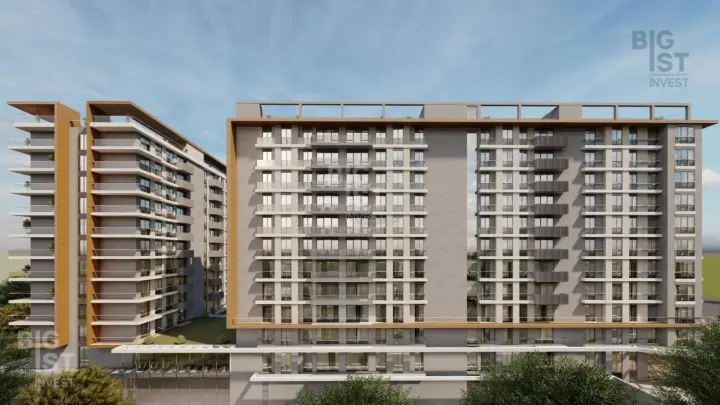
Gunesli Avenue Residences – Apartments For Sale In Bagcilar, Istanbul
Ready to move
 Featured
Citizenship
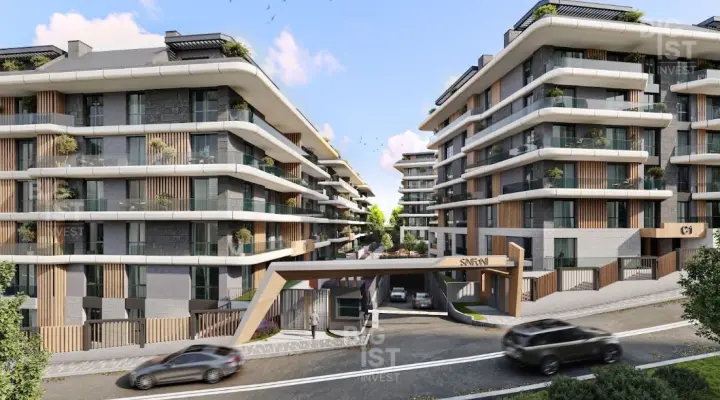
Etiler Elite Living – Luxury Apartments For Sale In Etiler, Istanbul
Under construction
 Featured
Citizenship
Sisli Modern Residence – Apartments For Sale In Sisli, Istanbul
Ready to move
 Featured
Citizenship
Silivri Country Villas – Villas For Sale In Silivri, Istanbul
Ready to move
 Featured
Citizenship
Kucukcekmece Lakefront Residences – Apartments For Sale In Kucukcekmece, Istanbul
Under construction
 Featured
Citizenship
Atakent Park Residences – Apartments For Sale In Kucukcekmece, Istanbul
Ready to move
 Featured
Citizenship
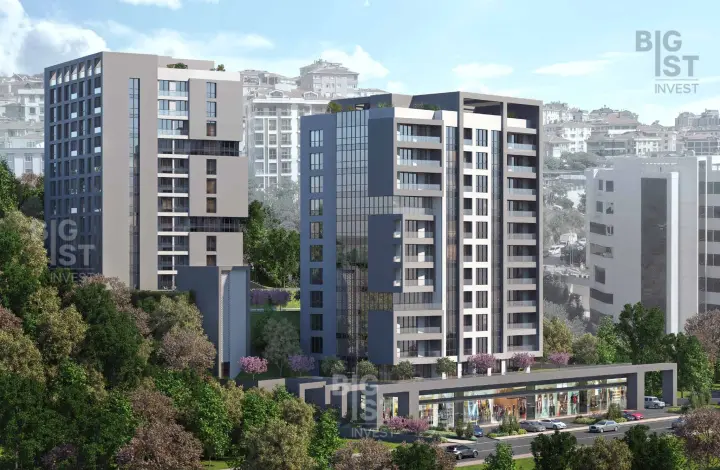
Fulya Modern Residences – Apartments For Sale In Besiktas, Istanbul
Ready to move
 Featured
Citizenship
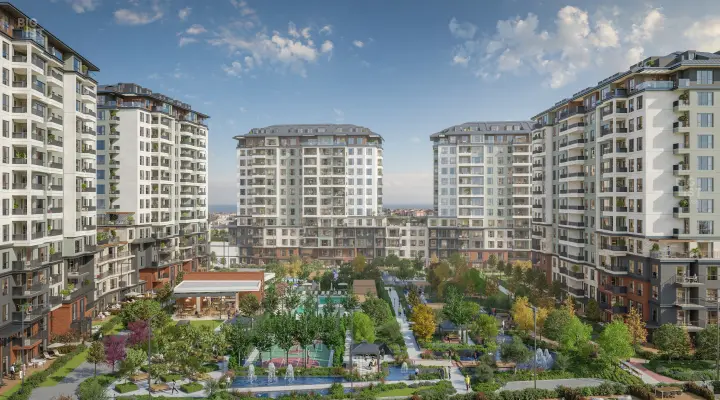
Beylikduzu West Residences – Apartments For Sale In Beylikduzu, Istanbul
Ready to move
 Featured
Citizenship
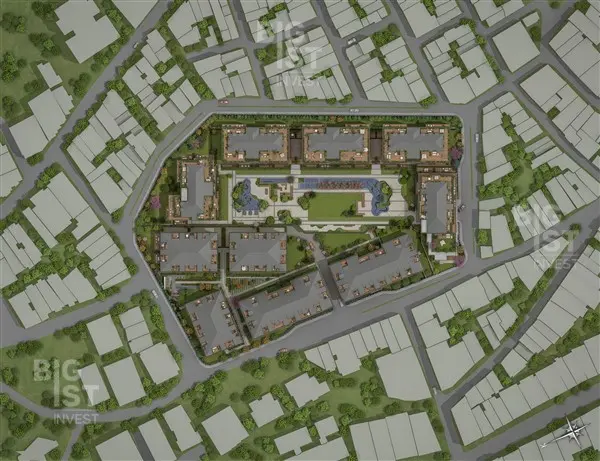
Besiktas Bosphorus Residences – Apartments For Sale In Besiktas, Istanbul
Ready to move
 Featured
Citizenship
Bahcekent Trade Center – Commercial Property For Sale In Basaksehir, Istanbul
Under construction
 Featured
Citizenship
Buyukcekmece Panorama Villas – Villas For Sale In Buyukcekmece, Istanbul
Ready to move
 Featured
Citizenship
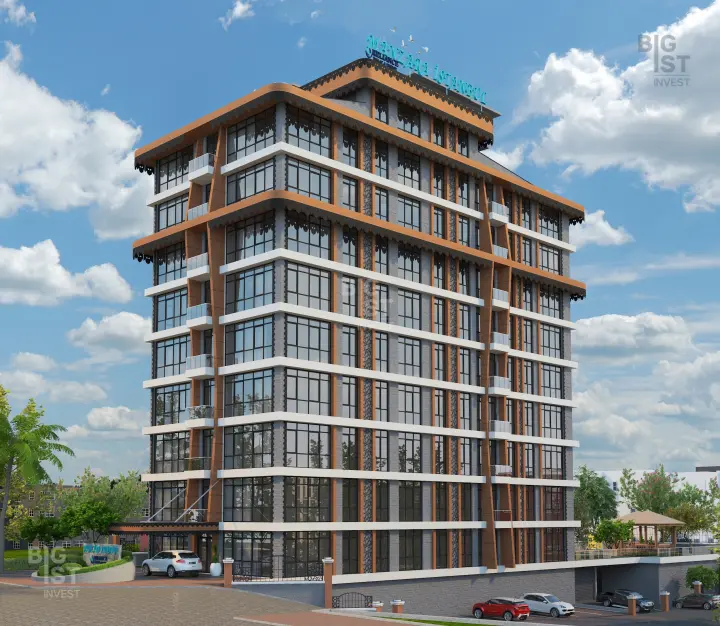
Kagithane Panorama Residence – Apartments For Sale In Kagithane, Istanbul
Under construction
Filter listings
Properties across Istanbul
Istanbul
Let's Talk
Tell us what you need. An advisor will contact you shortly.